
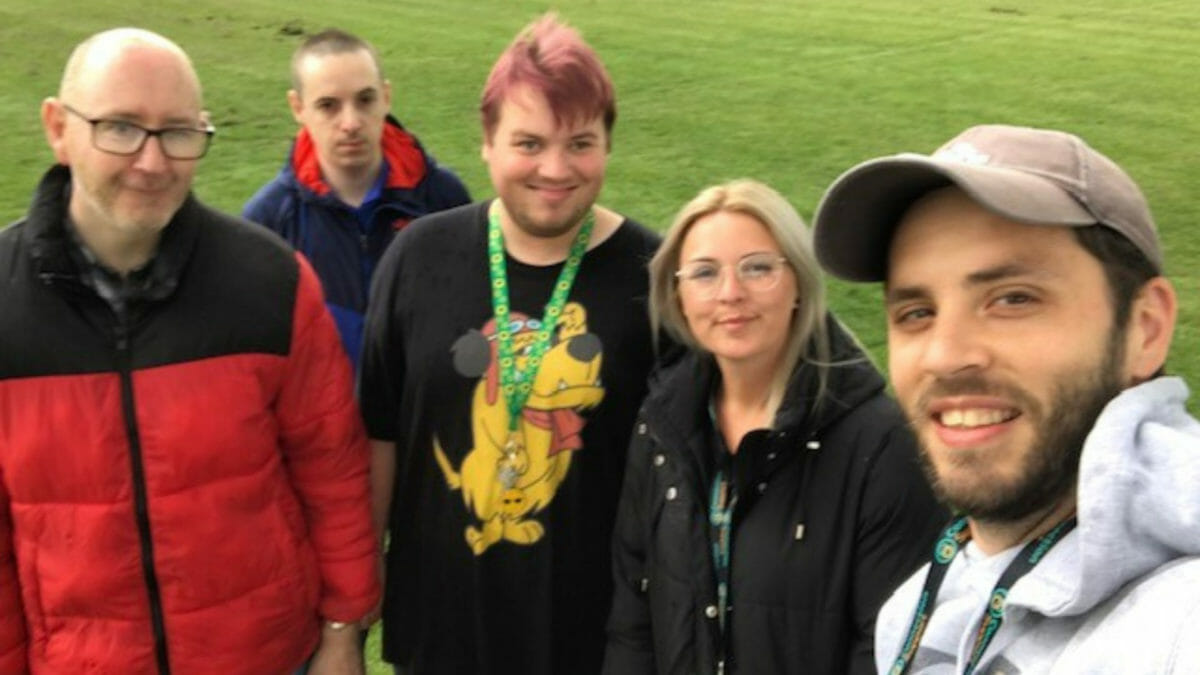
At Connection Support our team of staff members and volunteers work alongside people to overcome life’s challenges. Why? Because our mission is to support everyone in our society to become safely and sustainably housed and live as independently as possible. And to do that we provide a wide range of services which offer support with homelessness, housing support, mental health, independent living, preventing isolation, parental mentoring, refugee resettlement and social prescribing.
We recognise that every human being encounters challenges in life and we’re here to support anyone who finds themselves in a time of difficulty, either through directly offering our support, or helping them to find the right support elsewhere.
We focus on you as an individual, to understand your circumstances, abilities and challenges so we can begin to support and equip you to build a better life. You tell us what you want to achieve, your goals and aspirations and we will work with you, providing practical and emotional support to help you to build the skills and confidence to deal with the ups and downs of life.
By working collaboratively with other organisations, we provide tailored support and advice to a range of adults (young and old) and families in Oxfordshire, Buckinghamshire, and Milton Keynes, ensuring we achieve the best outcome for all our clients.
We Empower People To:
- Develop their strengths
- Seek solutions
- Gain independence
- Achieve aspirations
- Find their place in society
- Live a fulfilling life
- Take control of their situation
- Regain their health and wellbeing